
CDS INSIGHTS
Blog
Thought leadership and industry trends.

Managing Data Privacy Risk: 4 Critical Questions for Lawyers
Between protecting personally identifiable information (PII), the impact of artificial intelligence (AI), avoiding phishing and ransomware attacks, and GDPR sanctions, lawyers and law firms have a lot to be concerned about. In light of this complex landscape of surging data, litigation, and regulatory obligations, where do the risks really lie?
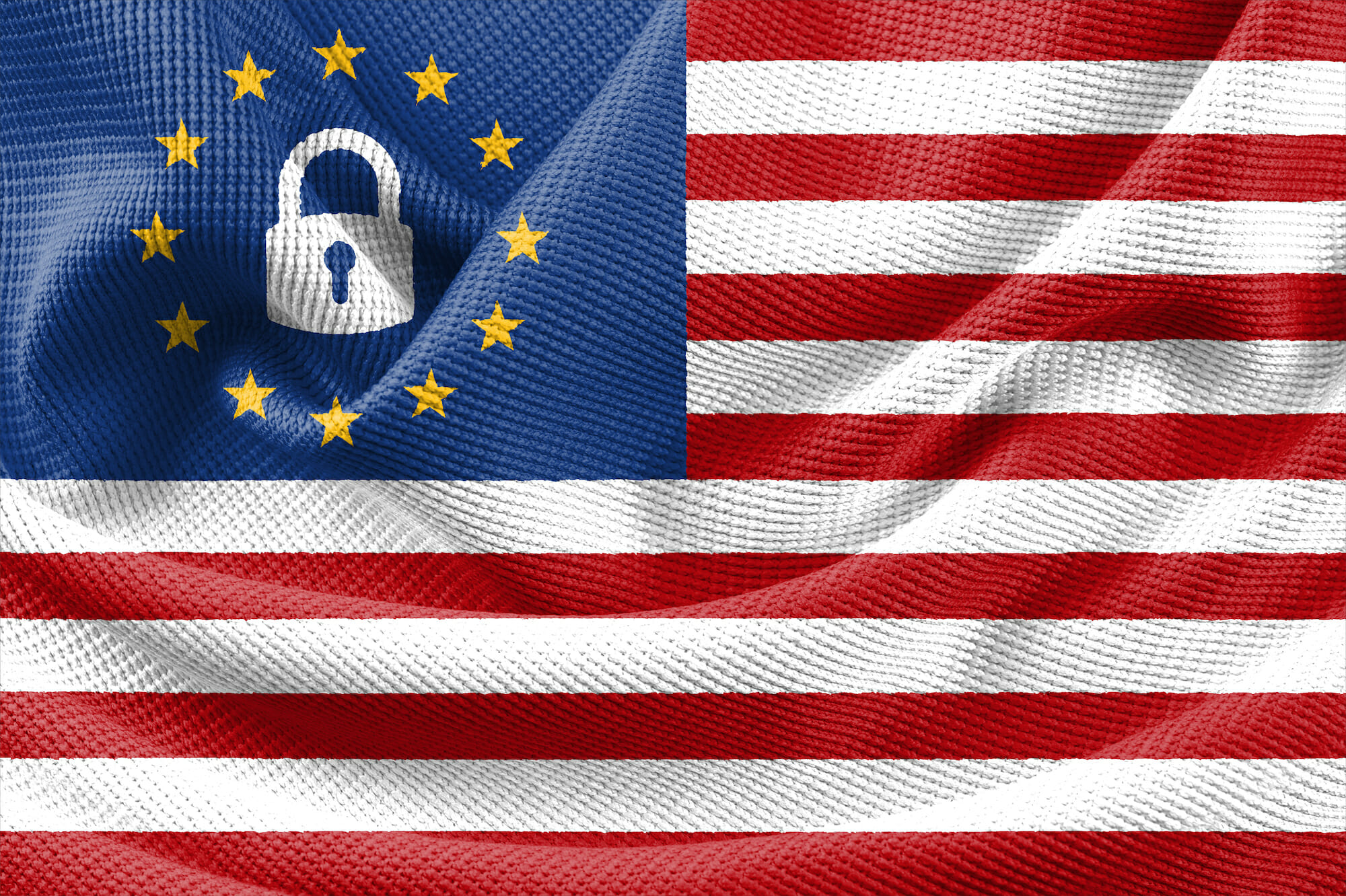
Lessons from GDPR: What to Expect for the Future of U.S. Data Privacy
Since January 1, 2023, six U.S. states have enacted stringent privacy protections and many more are actively debating proposed laws and regulations. Considering the climate for litigation and regulatory enforcement in the U.S., what should we expect to see in the coming months and years?

Data Privacy: The Current State of GDPR
In the five years since GDPR went into effect, data privacy has become a top consideration for global businesses. What have we learned from the enforcement of international data privacy regulations to date, and what is the state of GDPR today? UK-based privacy expert Jonathan Armstrong offers an update from the front lines.

How Advanced Data Visualizations Enhance Document Review Management
Managing remote document review teams can be challenging. Fortunately, advanced data visualizations like those in CDS Vision can help with data-centric staffing decisions by tracking reviewer performance, accuracy, and automated QC.

Self-Service Data Processing: Turning eDiscovery From a Cost Center to a Profit Center
Large internal eDiscovery teams often manage their own data processing, and use outside expert services for complicated data sets or when large matters require additional resources. Learn how RelativityOne’s Import/Export tool allows users to drag and drop data directly into their Relativity workspace for full document processing.


FOIA Backlogs Put Government Agencies in a Bind
The volumes and types of data that government agencies must manage continue to rise exponentially, while statutory deadlines for Freedom of Information Act (FOIA) requests remain unchanged, putting additional pressure on agencies facing increasing volumes of records and growing backlogs of requests.

How eDiscovery Software Accelerates Data Breach Response
After a data breach is discovered, notification becomes essential. Companies are under tremendous pressure to determine what data has been taken and who they must notify, sometimes in as little as 72 hours. That’s where eDiscovery expertise can make a key contribution.

Justice for Change: Pro Bono in Legal Tech and eDiscovery
Justice can only be gained on a level playing field, and tools that allow legal consumers to engage in the discovery process in a more efficient, effective way will help them get to that core truth more quickly. Read on for how the Justice for Change program provides access to best-in-breed eDiscovery technology.

Determining Proportionality
Negotiating proportionality has long been a challenge for litigators. Fortunately, the New Proportionality model can provide structure to the analysis and may help level the playing field by providing a standard vocabulary and reliable cost metrics.

When BYOD Backfires
BYOD policies allow employees to use personal devices to access the organization’s data in the pursuit of doing their jobs. Cost-savings and convenience aside, misunderstandings surrounding BYOD policies are driving a steady stream of litigation and investigations. Do the risks outweigh the benefits?

Automating eDiscovery Database Management with AutoArchive
Tracking user activity on a matter-by-matter basis can be extremely tedious, time-consuming and cost-intensive. Months and even years of active hosting and user costs can accumulate on inactive matters while case teams await a final disposition or settlement agreement. Vision AutoArchive automates eDiscovery database management based on user activity and other pre-set criteria.
 Get the latest news and resources in your inbox. Sign up for our newsletter!